Your building modelled. Your savings verified.

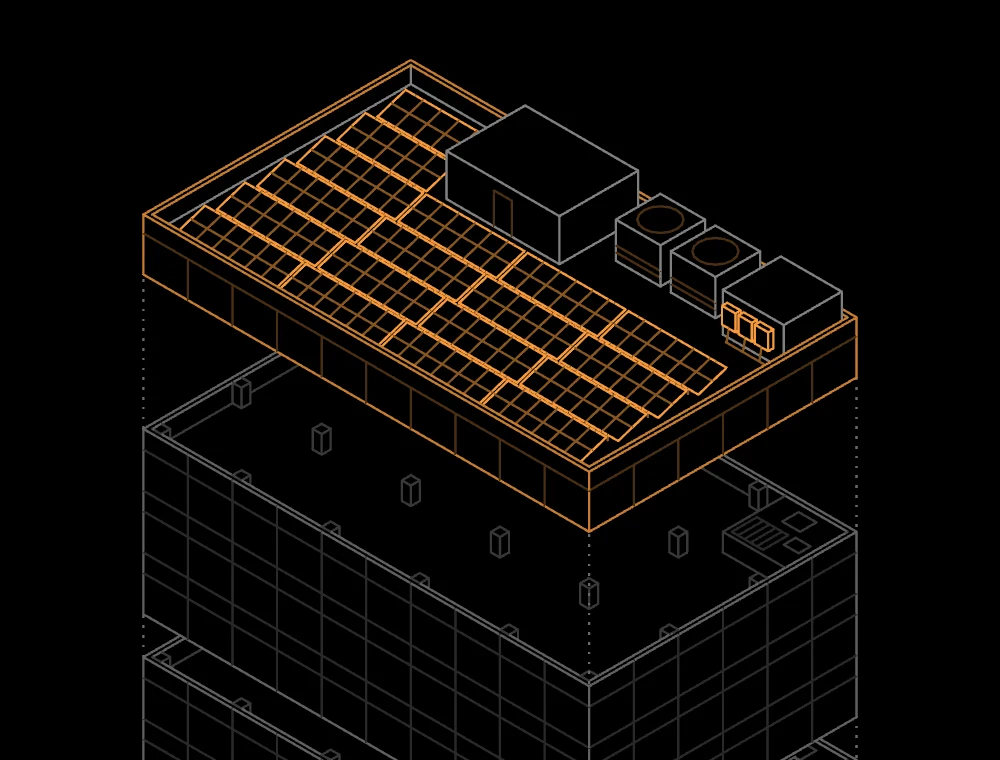
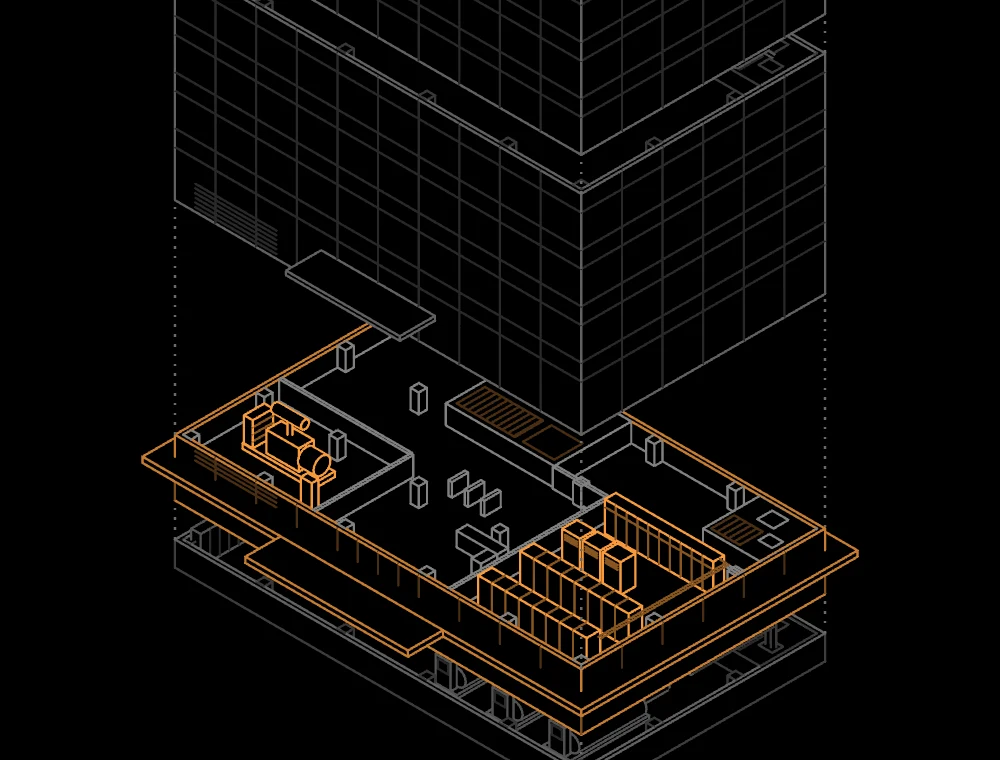
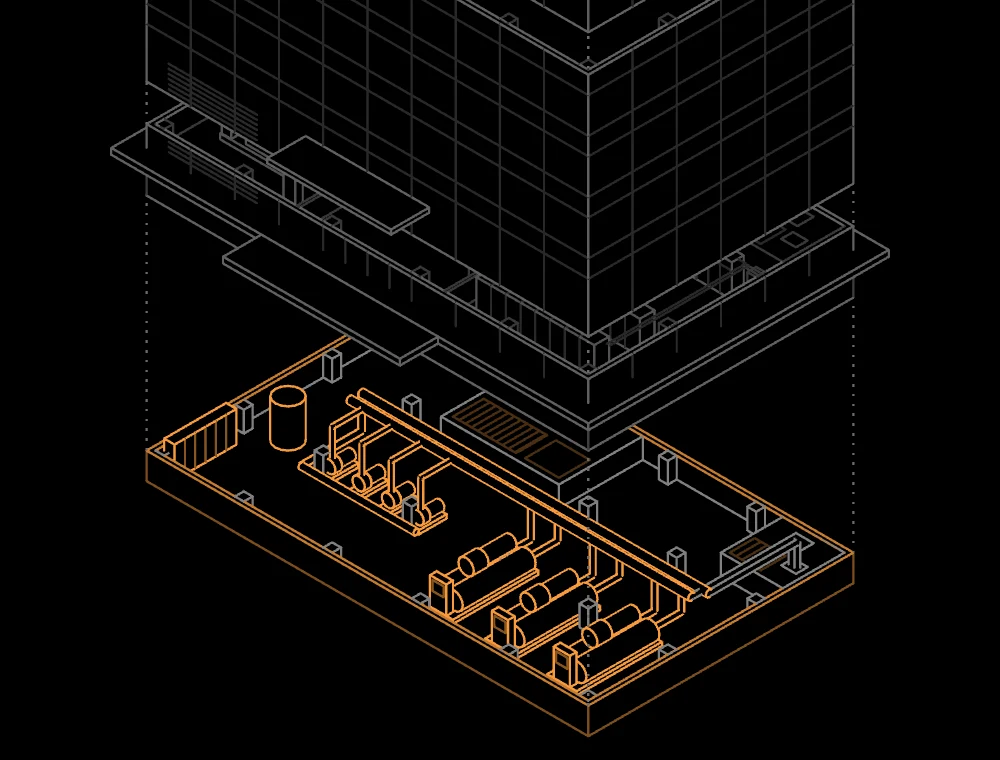
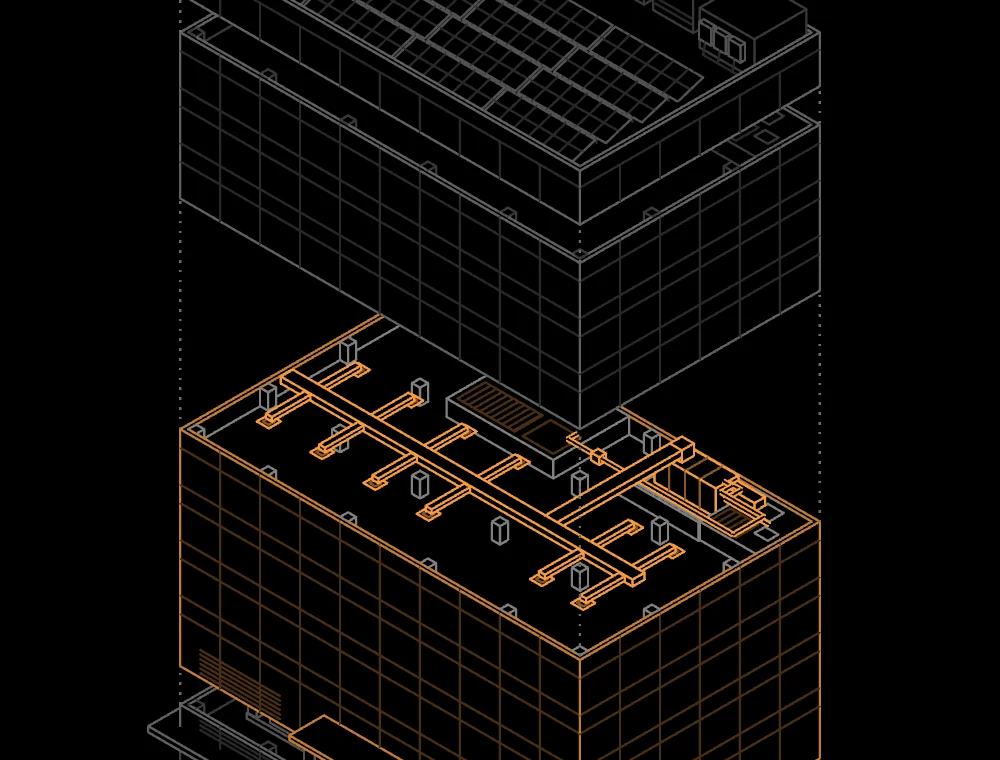
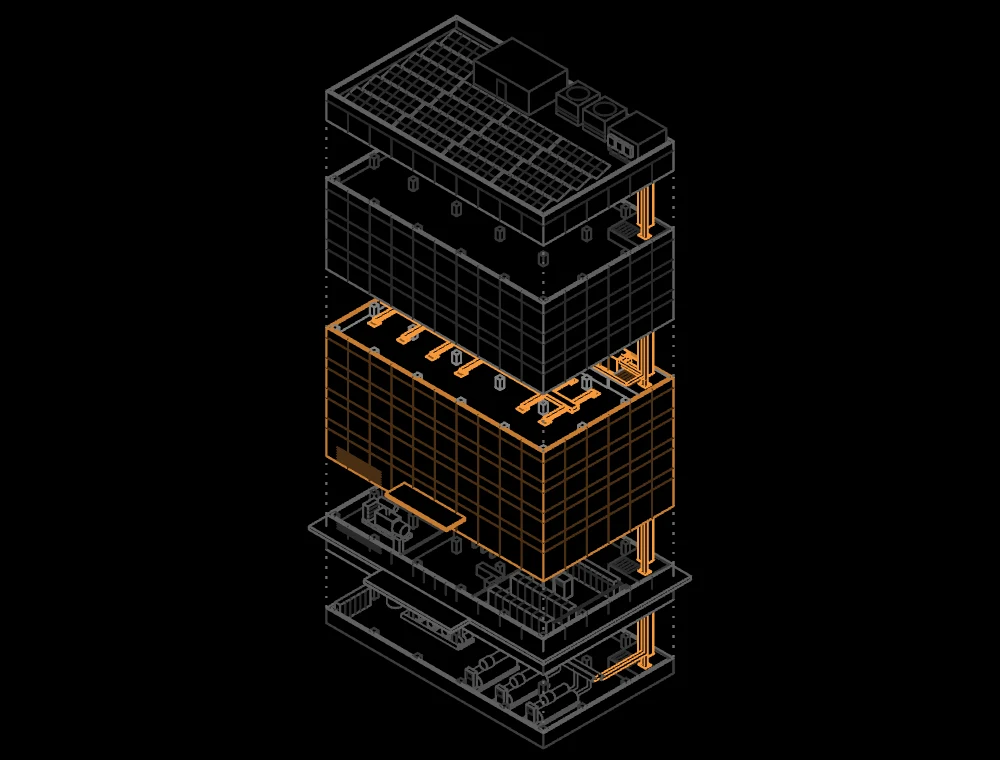
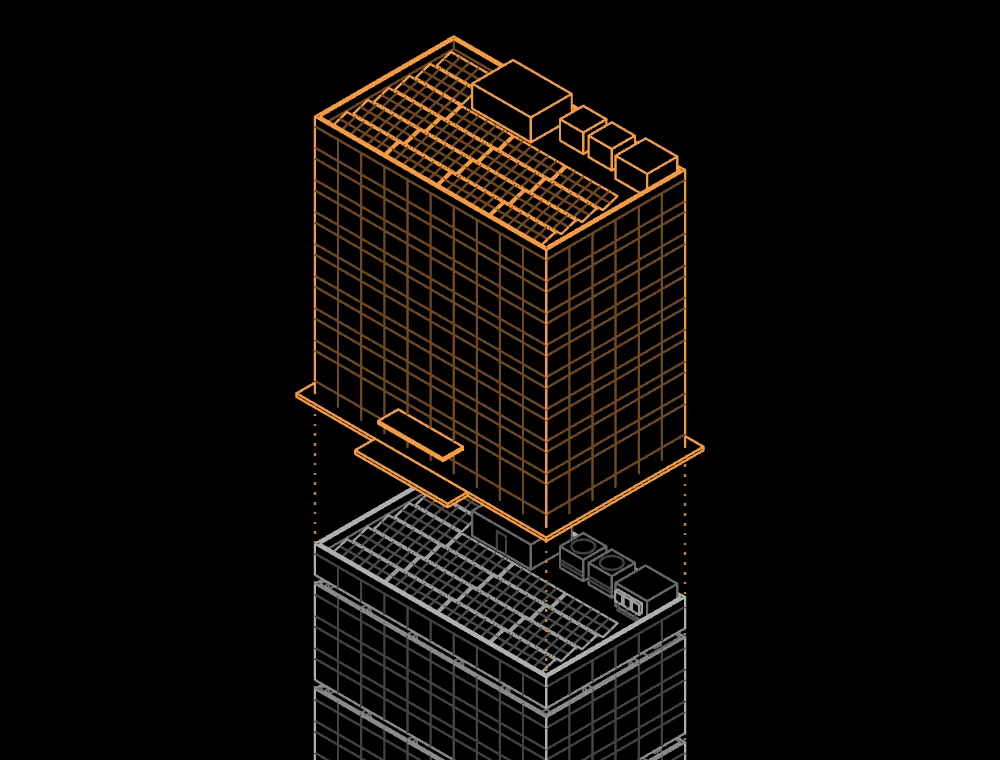
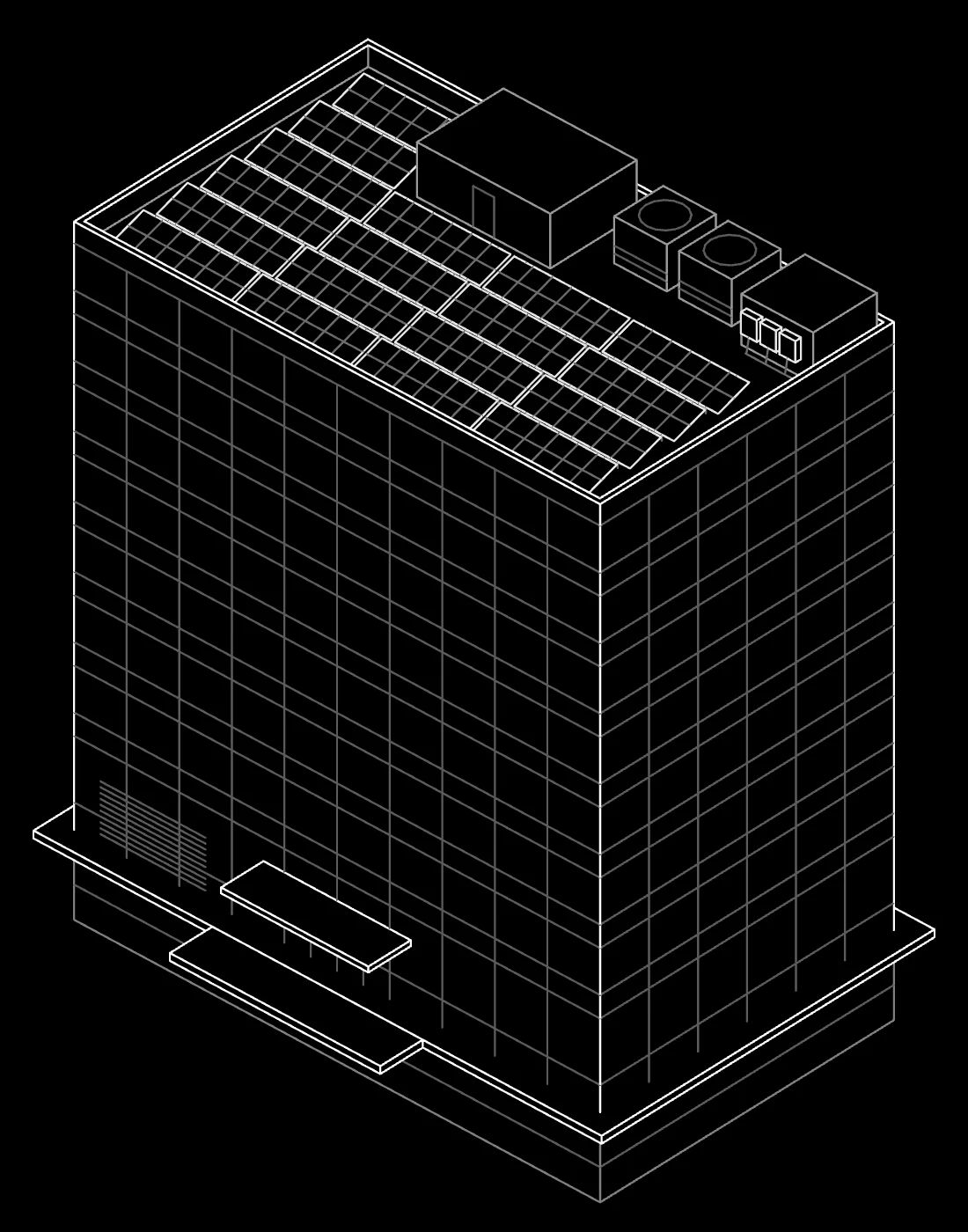
Line drawing of an eight-storey office block: solar panels on the roof, a battery room at ground level, a plant room in the basement.
  • Lower cooling bills.
  • Use more of your own solar.
  • Keep demand under your limit.

One model. Every system. Run to a single plan.

  1. Solar

    Use more of your own solar.

    Measures what every panel and inverter produces, and forecasts tomorrow's demand, sun and weather.

  2. Battery

    One bad half-hour shouldn't set your bill for a year.

    Plans the battery a day ahead to keep demand under your limit, and runs the generator only when it's really needed.

  3. Plant room

    Lower cooling bills, fewer breakdowns.

    Knows what each chiller should draw at today's load and weather, and shows drift in rand, not as another alarm.

  4. Floors

    Comfortable floors that cost less to run.

    Runs each floor by occupancy, weather and tariff, inside comfort limits you set.

    Water quality: sensors read 25+ parameters continuously, so nothing slips between lab samples.

  5. The twin

    A working model of your building, running alongside the real one.

    It decides what your building should do next, then proves the difference.

    What your engineers see: savings so far, anything drifting, and today's plan. Override is always there.

Connected to your chillers, solar inverters and batteries. Run to one plan.

Measure

Every meter, sensor and machine, read live.

Connects to the chillers, air handling, solar inverters, batteries and meters you already have. Nothing is replaced.

Optimise

Sets the day's plan for cooling, air and batteries, at the lowest cost.

Forecasts tomorrow's demand, solar output and weather, a day ahead. Runs your building closer to its coefficient of performance. Uses more of the solar you generate.

Verify

Shows what was saved against a measured baseline, checked at each site.

Designed to deliver savings of 30% or more across heating, cooling, ventilation and battery optimisation, measured and verified at each site. Verified independently, under IPMVP.

Predictive control

Built on digital twin and predictive control technology in live operation in thousands of buildings across Asia, with deployments in the Middle East and Europe.

Forecasts tomorrow

Tomorrow's demand, solar output and weather, a day ahead.

Plans the day

Sets the day's plan for cooling, air and batteries, at the lowest cost, inside limits you set.

Learns each machine

It learns each machine's normal behaviour and flags drift before it becomes a failure.

Shows every call

It starts read-only. Nothing runs without your approval, and override is always there.

Your largest controllable cost is the one nobody is watching.

By the time the invoice arrives, the money is spent. The costs that matter are set in real time.

One bad half-hour sets the charge.

Your highest half-hour of demand can set a charge you pay for the next twelve months.

This half-hour sets the charge

Electricity costs more every year.

Most of all in peak hours. Energy is now one of the largest costs an owner can still control.

Peak-rate hours cost the most

Equipment drifts quietly.

A chiller that slips out of tune wastes money for months before any alarm fires.

Drift: paying more for the same cooling

The numbers are estimates.

Savings and carbon figures are assembled by hand, after the fact, and are hard to audit.

One total, weeks later. The rest is estimated.

Illustrative day. Not data from a site.

Three stages. You decide at every gate.

Nothing is switched on until you have seen it work on your own building.

  1. Baseline

    We measure what your building uses today.

    • Site survey and a read-only connection to your BMS
    • Metering audit, with sub-meters added on the central plant
    • Baseline verified and signed off independently under IPMVP
  2. You accept the baseline.

  3. Recommend

    It shows your team the plan before anything acts.

    • Runs live, forecasting and issuing the day's plan
    • Tells rather than does, so you see every call
    • Forecast quality is proven on your own building
  4. You approve the scope it may act on.

  5. Optimise

    It runs the day's plan on the scope you approved.

    • Adjusts in real time
    • Override always available, every action logged
    • Monthly reporting against the verified baseline
How an engagement runs

For buildings where energy is a major cost.

The twin works on the plant you already have. What changes is how it is run.

Retail, offices and mixed-use

Lower common-area costs across the portfolio.

  • Demand charges set by a single half-hour
  • Common-area cooling and air that run to a fixed schedule
  • Investors and tenants asking for energy and carbon data

Plans cooling, air and battery use for each building around its tariff and its trading hours, and reports every site the same way.

Hotels, lodges and resorts

Comfort stays. The energy bill comes down.

  • Energy is one of the largest running costs
  • Solar and batteries on site that do not work together
  • Guest comfort that cannot be traded away

Runs heating, cooling and ventilation around occupancy and the tariff, and uses the solar and battery you already own to hold demand down.

Public buildings, hospitals and campuses

Lower utility spend, with an audit trail.

  • Ageing plant and tight maintenance budgets
  • Utility spend that is hard to explain at audit
  • Little capital for upgrades

Shows where equipment is faulty and which works would save the most, and reports savings against a measured baseline that an auditor can follow.

Airports, ports and transport hubs

Round-the-clock estates, run to a plan.

  • Loads that run around the clock
  • Several supply points, each with its own demand charge
  • Operations that cannot be interrupted

Forecasts demand a day ahead for each supply point and plans cooling and batteries to stay under the limit. Override stays in the operator's hands.

Data centres

Cooling is the largest cost you can still cut.

  • Cooling is the largest energy cost after the IT load itself
  • Plant that runs flat out whatever the load or the weather
  • Demand charges on a large, steady load

Knows what each chiller should draw at the current load and weather, plans cooling at the lowest cost inside the limits you set, and flags drift early.

Proven technology. Verified on your site.

Built on digital twin and predictive control technology in live operation in thousands of buildings across Asia, with deployments in the Middle East and Europe.

  • A baseline measured before anything changes
  • Checked independently under IPMVP
  • Reported to you every month

Technology and commercial partners across Europe, the Middle East and Asia.

Questions people ask.

Does it replace our building management system?
No. It sits on top of the system you have and reads from it. Nothing is replaced, and your team keeps authority over set-points and schedules.
Who stays in control?
You do. It starts read-only, then recommends. It acts only on the scope you approve, every action is logged, and override is always there.
How do we know the savings are real?
A baseline is measured before anything changes. Savings are measured against it at each site and verified independently under IPMVP.
What do you need from us?
BMS points and drawings, asset registers, three to six months of invoices, and a date for the site survey.
How is our data protected?
The connection starts read-only, with no control path into your systems. Your security team reviews it before anything connects.
How long before we see results?
It moves in three stages: a measured baseline, then recommendations, then optimisation. You approve each step, and the timing is agreed in the assessment.
What does it cost?
It is structured to suit the site. The assessment shows what is worth doing, and the commercial terms follow from that.

Find out what your building could save.

A site assessment starts with a survey and ends with a measured baseline.

Book a site assessment